How Trauma and Stress Shape the Brain and Our Health
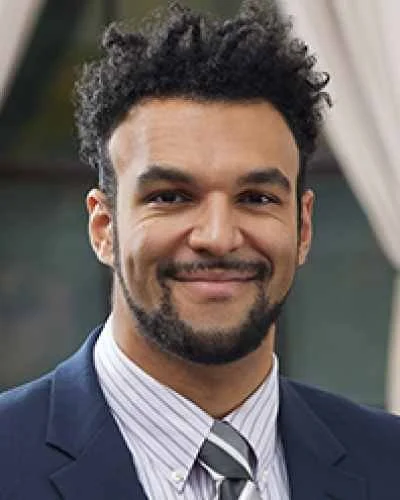
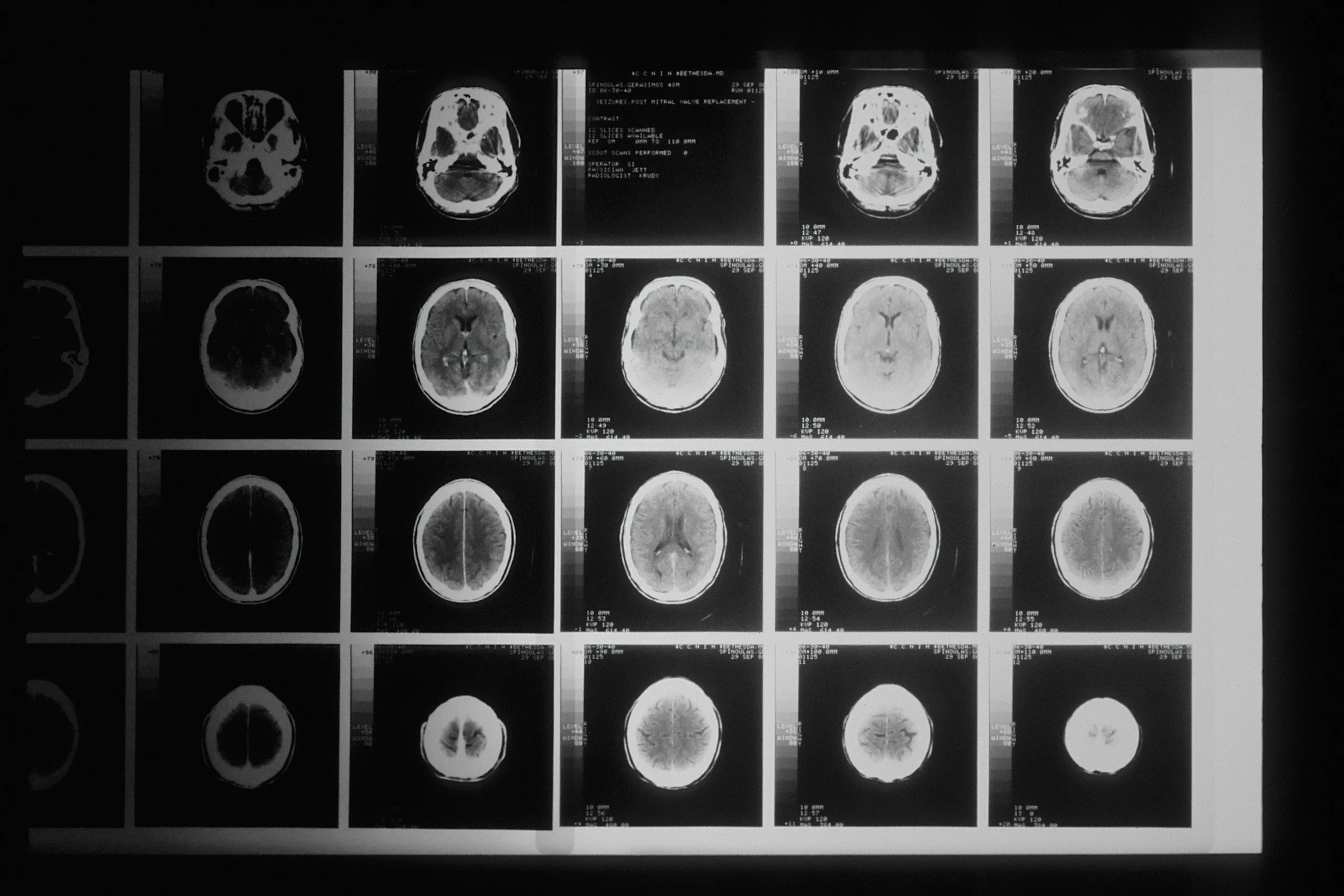
Why is it that some people recover quickly after a traumatic experience and others end up developing a stress disorder? In this lecture, Dr. Nathaniel Harnett of Harvard Medical School and Mclean Hospital breaks down how trauma and the context of trauma impacts brain function and especially how brain regions talk to each other. He also explains how all trauma is not the same and how earlier and later exposure can impact the recovery process. This lecture provides a foundation for understanding trauma-informed approaches and why some youth may respond to stress with heightened emotional or behavioral reactions. Stay to the end for some insightful conversation with educators and other youth-serving community members (4-H!) as they reflect on Dr. Harnett’s work and their own experiences working with traumatized youth.
Dr. Nathaniel Harnett researches contextual factors underlying demographic differences in stress-related disorders following trauma. His work dives into how environmental factors like access to greenspace, social support systems, and neighborhood racial segregation through redlining policies all impact trauma outcomes. He will introduce research on how neighborhood context and historical factors can account for brain-related risk and resilience to post traumatic stress disorder.